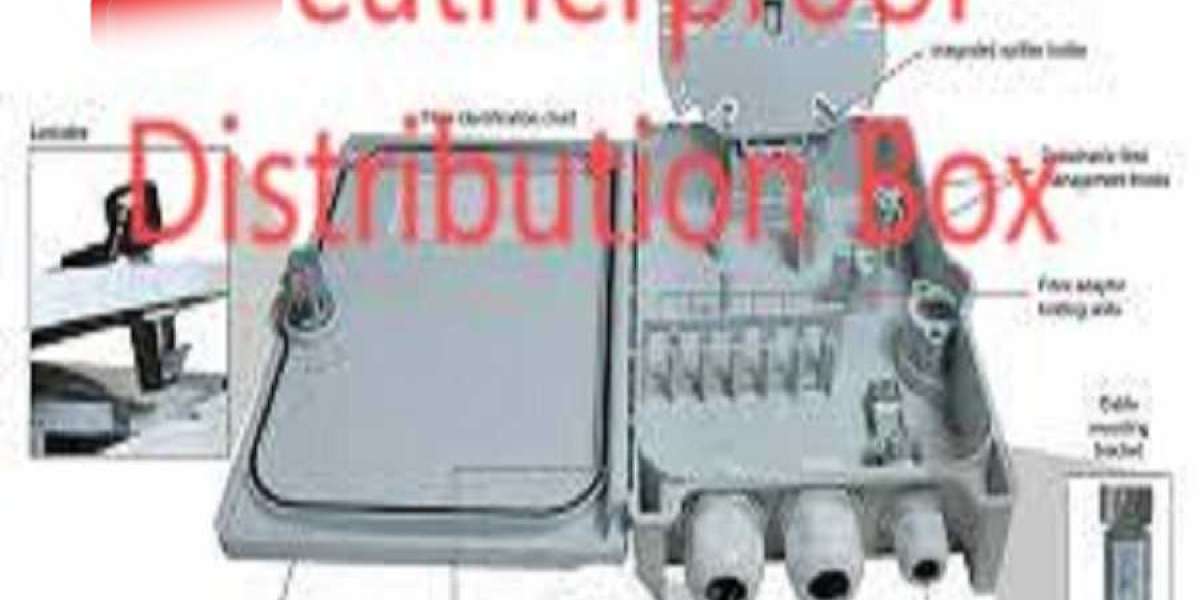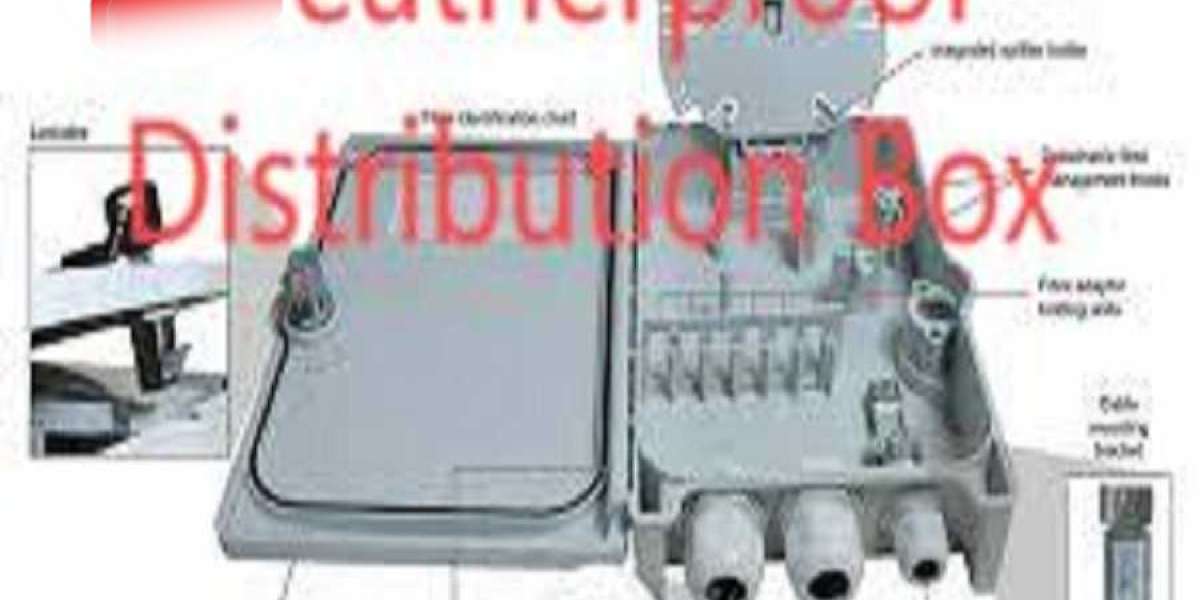

When projects move quickly and power needs follow, a well-designed Portable Distribution Box placed at the right point can keep crews safe and productive on site. This article explains how mobile distribution units are specified, installed, and maintained so project managers, electricians, and rental companies make informed choices for short-term events, construction sites, and emergency response situations.
Why portability matters for modern power delivery
Portable power distribution solves logistical problems that fixed infrastructure cannot. Tight timelines, changing layouts, and temporary work zones require flexible power points that can be relocated without costly rewiring. Mobility also shortens setup times for events and simplifies power segregation for parallel tasks on a construction site. By moving protection and outlet capacity close to end tools and equipment, portable units reduce cable runs, minimize voltage drops, and lower trip hazards.
Core technical features to evaluate
When comparing mobile units, focus on protective devices, enclosure robustness, and cable entry systems. Key electrical features include appropriate overcurrent protection, residual current devices (RCDs) where required, and clear labeling for phases and neutrals. Mechanically, look for impact-resistant housings, lockable access panels, and treatments or materials suited to the ambient environment. Cable glands and strain relief must preserve ingress protection, while mounting points and lifting eyes should match how the unit will be transported and secured.
Site installation best practices
Correct placement and secure anchoring enhance safety and longevity. Position portable units on stable, level surfaces and away from standing water or heavy traffic lanes. Use rated lifting gear when moving, and follow manufacturer torque values for any fasteners re-secured during installation. Maintain clearance for ventilation and for safe access to switches and breakers. Grounding and equipotential bonding are essential; verify continuity after each relocation to ensure protective earths remain effective.
Nante design highlights and modular benefits
Many operators prefer modular designs that permit quick reconfiguration in the field. Modular panels, spare breaker spaces, and removable gland plates reduce downtime and simplify repairs. Look for units with standardized internal mounting rails so components can be swapped without complete disassembly. Durable finishes and corrosion-resistant hardware extend service life in demanding outdoor environments. Choosing a manufacturer that publishes clear datasheets and spare-part lists improves maintainability and fleet management.
Environmental and regulatory considerations
Regulatory requirements vary by region and application — event power, construction sites, and emergency services may have distinct codes for protection, labeling, and testing. Confirm local standards for IP ratings, RCD use, and temporary installation practices. For outdoor use, select units with UV resistance and corrosion protection; for marine-adjacent operations, prioritize stainless or specially coated materials. Keep test records and certificates accessible to demonstrate compliance during inspections.
Maintenance routines for fleet reliability
Portable units demand scheduled checks to remain safe and functional. Inspect enclosures, seals, and fasteners after every transfer. Test protective devices periodically and record test dates and outcomes. Clean ventilation paths and verify that cable glands remain intact. Replace consumables such as gaskets and fuses on a planned cycle rather than waiting for failure. A simple maintenance log helps predict parts needs and extends the usable life of a mobile distribution fleet.
Troubleshooting common field issues
Frequent field problems include loose terminals after vibration, ingress from improper sealing, and damaged cable entries from rough handling. Address these by using torque-controlled tools, keeping spare gland plates and seals on the truck, and training crews on correct lifting and securing procedures. For intermittent faults, document environmental conditions and recent moves before replacing components — often troubleshooting narrows rapidly when relocation and handling patterns are reviewed.
Procurement strategies and total cost of ownership
When purchasing or renting mobile distribution boxes, evaluate lifecycle costs: initial design, spare components, maintenance, and transport. Standardize across a fleet to simplify spare-part inventories and training. Negotiate service agreements that include calibration and testing to keep devices in compliance. Consider rental partners with rapid replacement policies to avoid project delays when downtime occurs.
Use-case examples and selection tips
For an outdoor festival, select multiple units with distributed outlet banks to minimize long extension runs and to isolate stages or vendor areas. On construction sites, choose robust units with integrated RCD protection and lockable doors to prevent unauthorized access. For disaster response, prioritize lightweight, quickly deployable units with clear labeling and remote monitoring options to speed restoration work.
Closing recommendations and resources
Investing in the right mobile distribution equipment reduces setup time, enhances safety, and lowers operational risk across temporary and evolving sites. Define electrical, mechanical, and environmental requirements early, standardize on modular units where possible, and implement a proactive maintenance program to sustain reliability. For product details, datasheets, and model options, review the official information at https://www.nante.com/product/